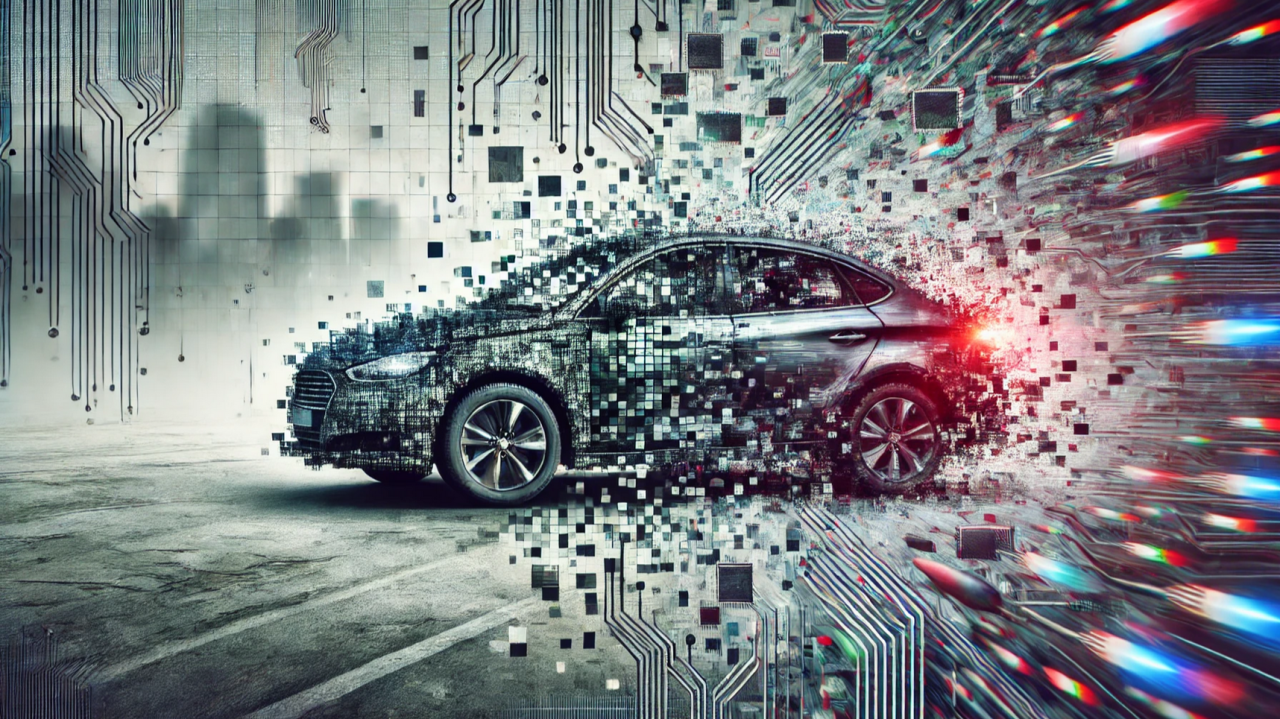
As AI tools became more powerful in 2025, a new type of fraud exploded: the Deepfake Damage Claim. In 2026, fraud rings no longer need to physically “stage” an accident (see Article 61). Instead, they use generative AI to add realistic dents, shattered glass, and even deployed airbags to photos of perfectly healthy cars.

The 2026 Detection Response: Insurers have fought back with an “AI versus AI” strategy. When you upload a photo in 2026, it passes through a Digital Forensic Audit:
- Pixel Consistency: Algorithms scan for “mathematical artifacts” that generative AI leaves behind—shadows that don’t match the sun’s position or textures that are “too perfect.”
- Metadata & Light-Fields: Insurers now verify the EXIF data and the light-field signatures of the image. If the photo was “processed” through an AI model, the file’s digital fingerprint changes, triggering an immediate fraud alert.
- Live-Video Requirements: To combat static deepfakes, many 2026 carriers now require a “Live Inspection” via the app, where you must move the camera in a specific, randomized pattern around the car to prove the damage exists in 3D space.
The Warning: In 2026, “testing” an AI tool to “see if it works” on your claim is a felony. Once flagged for AI fraud, you are placed on a “Industry Blacklist,” making you uninsurable for years.